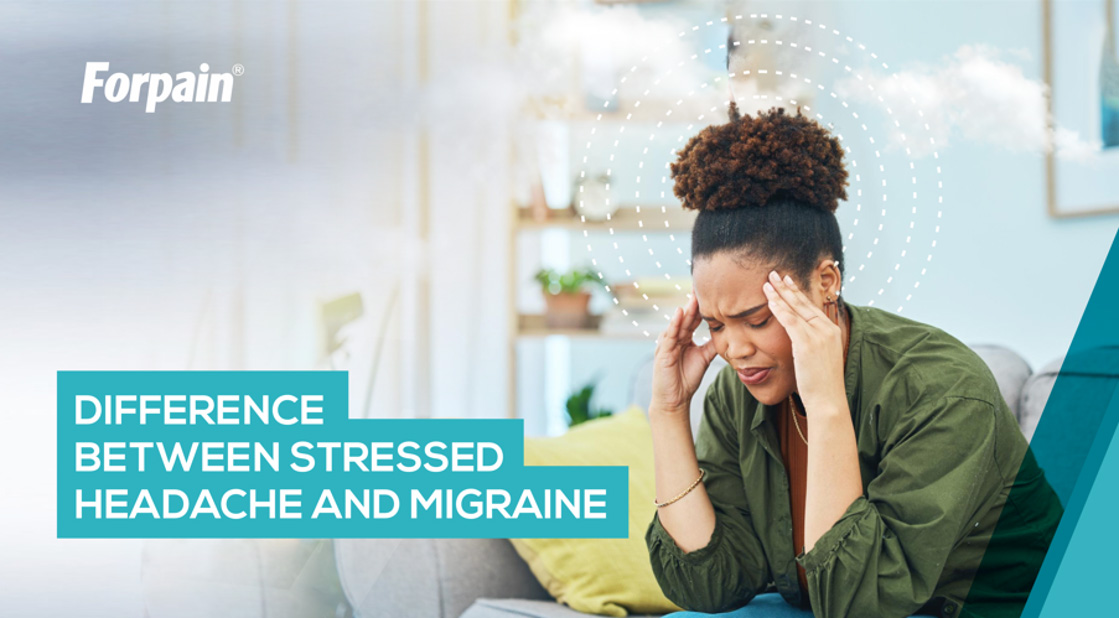
Difference Between Stress Headache And Migraine
Stress headaches and migraines are two different types of headaches with different characteristics. Stress headaches are typically less severe and triggered by specific stressors, while migraines are more severe and often associated with genetic and environmental factors.
Migraine is a neurological disorder characterized by severe and recurrent headaches. It is more than just a headache and can cause debilitating symptoms that can last for several hours or even days. Migraine attacks can be accompanied by nausea, vomiting, sensitivity to light and sound, and even auras, such as flashes of light or blind spots.
Migraine headaches are a neurological disorder characterized by severe, throbbing pain that can be accompanied by other symptoms such as:
- Nausea and vomiting.
- Sensitivity to light, sound, or smell.
- Visual disturbances, such as auras or flashing lights.
- Temporary loss of vision or blind spots.
- Increased sensitivity to touch or pain.
Stress headache is a common type of headache that is often triggered by stress or tension in the muscles of the head, neck and scalp. Some common symptoms of stress headaches include:
- Dull pain or a pressing sensation in the head.
- Throbbing or pulsating pain.
- Sensitivity to light, sound, or smell.
- Fatigue or irritability.
- Tension in the neck or shoulders.
Treatment options for stress headaches and migraines vary, depending on the severity and frequency of symptoms. stress management techniques, such as deep breathing exercises or relaxation exercises, can help manage stress and prevent stress headaches. Pain relief medications such as Forpain can be prescribed to help alleviate the pain and prevent future attacks for both stress headache and migraine.
RELATED ARTICLE

FINDING FASTER RELIEF FOR MIGRAINE
A migraine can come on quickly. One moment you're getting on with your day, and the next, you're dealing with a throbbing headache, nausea, or sensitivity to light and sound. read more
WHY DOES YOUR BODY HURT AFTER EXERCISE?
You finish a tough workout feeling great. Then the next morning, your muscles feel stiff and even climbing a flight of stairs suddenly feels like hard work. read more