02-May-2023
Orthostatic Headache And How To Get Rid Of It
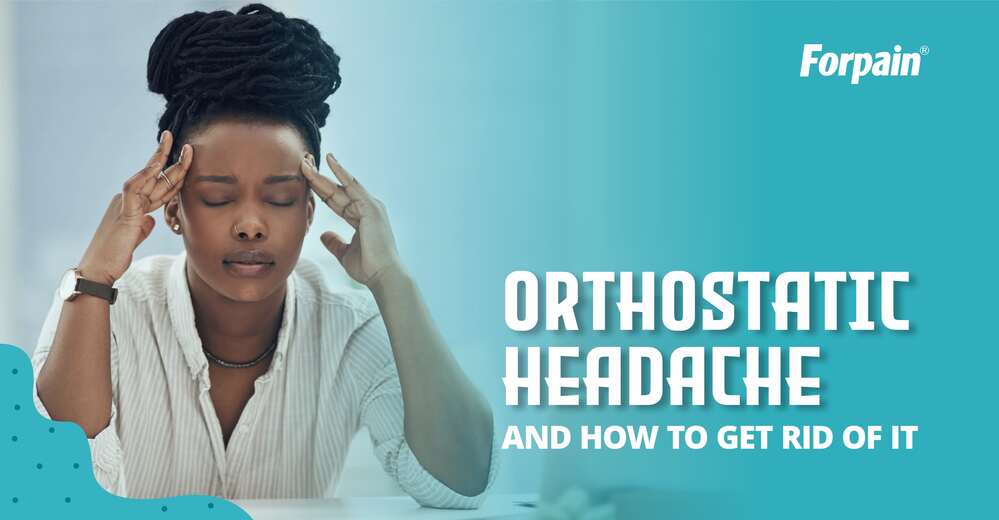
An orthostatic headache occurs when you stand or sit up after lying down for some time. When you change positions, your cerebrospinal fluid (CSF) pressure decreases, resulting in the headache.
Orthostatic headache symptoms may include:
- A headache that starts within minutes of standing up or sitting up.
- A headache that gets more severe when you stand up or sit up.
- A headache that improves when you lie down.
- Nausea and vomiting.
- Dizziness or lightheadedness.
- Neck pain or stiffness.
If you are experiencing orthostatic headaches, there are several things you can do to get rid of them:
- Keep yourself hydrated: Dehydration can exacerbate orthostatic headache, so it's important to stay hydrated. Stay hydrated throughout the day by drinking plenty of water.
- Avoid caffeine and alcohol: Caffeine and alcohol can dehydrate you and make orthostatic headache aggravated, so avoid them if you can.
- Lie down: If you begin to experience a headache, take a moment to rest. The headache may get better as a result of this.
- Wear compression stockings to help improve blood flow to the brain and lessen the likelihood of orthostatic headache.
- Exercise regularly: Regular exercise can help to improve blood flow and reduce the risk of orthostatic headache.
- Use Forpain to tackle stubborn and discomforting headache.
Follow @ForpainNigeria on Facebook and Instagram, and subscribe to our YouTube Channel Forpain Nigeria.
RELATED ARTICLE

03-August-2026
How to Manage Joint Pain and Stay Active Every Day
Joint pain is a common health concern that can affect people of different ages. read more
01-July-2026
Why Flu Comes with Body Pain and How to Manage the Discomfort
One of the most uncomfortable parts of having the flu is not only the fever, cough, or runny nose. It is the body pain that can make your muscles and joints feel sore. read more
01-June-2026