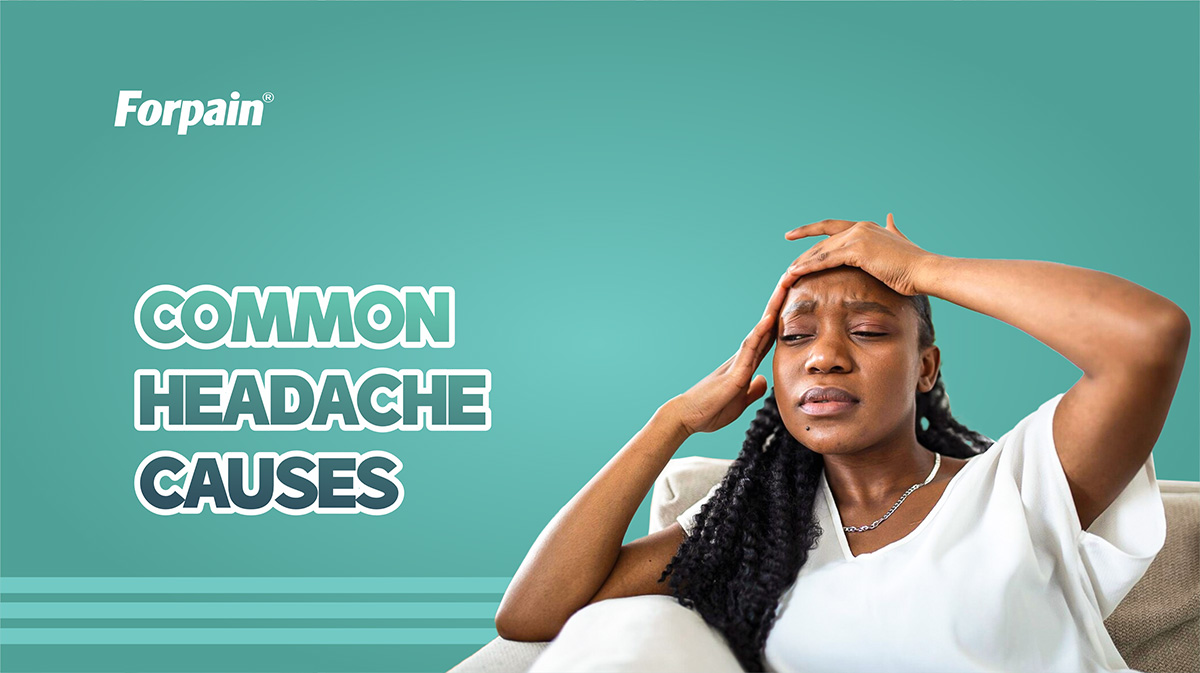
Common Headache Causes
Headaches are a common complaint that can disrupt our daily lives, making it difficult to concentrate, work, or enjoy social activities. While occasional headaches are usually not a cause for concern, frequent or severe headaches can be a sign of an underlying issue. Some common causes of headaches include:
- Tension Headaches: Tight muscles in the neck and scalp can lead to tension headaches, often described as a band or a squeezing sensation around the forehead.
- Migraines: A complex interplay of genetic, environmental, and hormonal factors can trigger migraines, characterized by intense, throbbing pain, usually on one side of the head.
- Eye Strain: Prolonged use of computers, smartphones, or other digital devices can cause eye strain, leading to headaches.
- Dehydration: Inadequate fluid intake or excessive fluid loss can cause dehydration headaches, often accompanied by fatigue, dry mouth, and dark urine.
- Sleep disorders: Irregular sleep patterns, insomnia, or sleep apnea can trigger headaches, including migraines and tension headaches.
Additional factors that can contribute to headaches include; Stress and anxiety, poor Posture, environmental Factors or cluster headache.
Headaches can be a complex and multifaceted issue, with various triggers and causes. By understanding the common causes of headaches, you can take steps to prevent or alleviate them. Remember to:
- Stay hydrated.
- Maintain a consistent sleep schedule.
- Practice stress-reducing techniques.
By taking control of your headaches, you can improve your overall quality of life and reduce the impact of headaches on your daily activities.
RELATED ARTICLE

FINDING FASTER RELIEF FOR MIGRAINE
A migraine can come on quickly. One moment you're getting on with your day, and the next, you're dealing with a throbbing headache, nausea, or sensitivity to light and sound. read more
WHY DOES YOUR BODY HURT AFTER EXERCISE?
You finish a tough workout feeling great. Then the next morning, your muscles feel stiff and even climbing a flight of stairs suddenly feels like hard work. read more